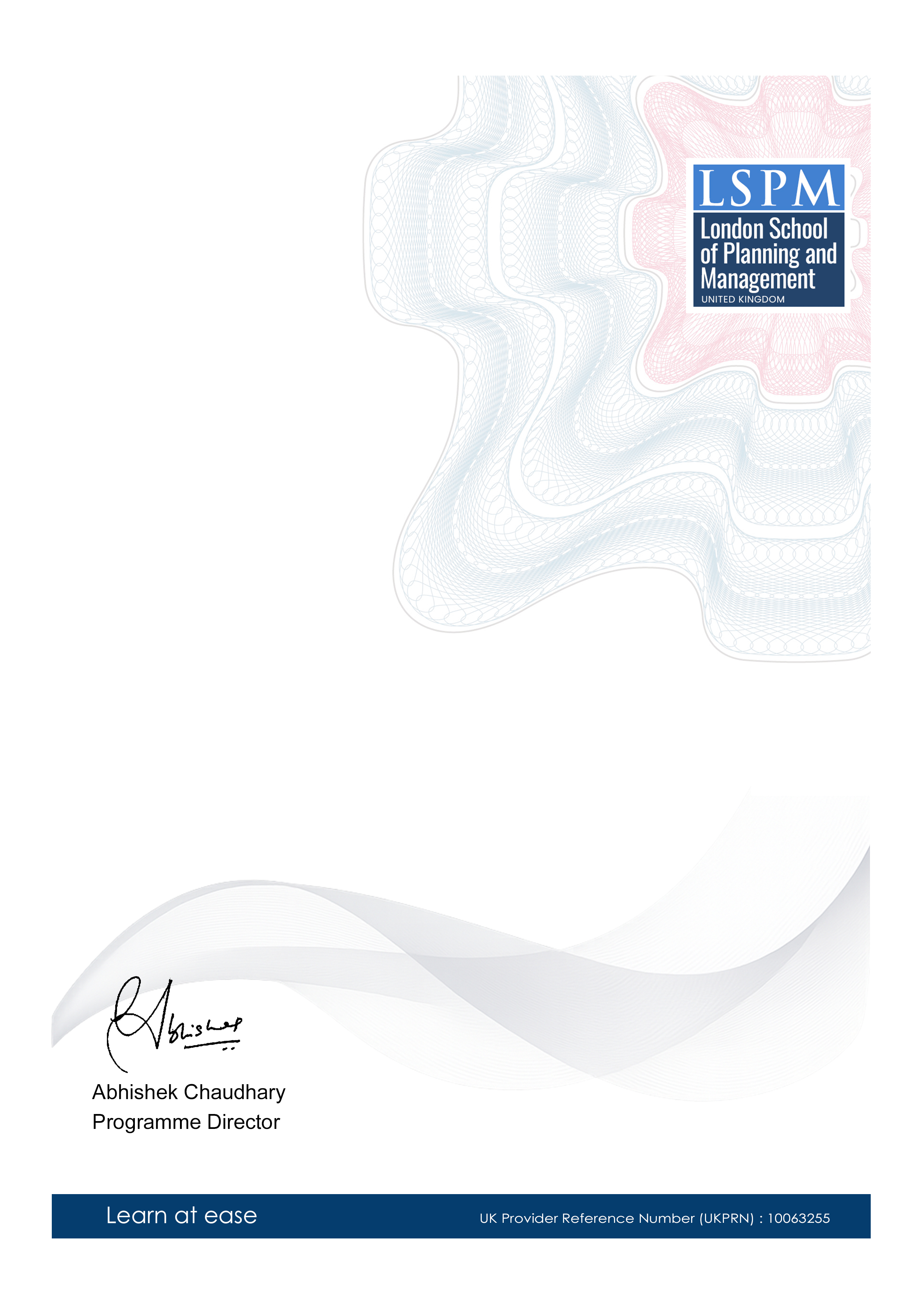
Masterclass Certificate in Intelligence Surveillance Protocols
-- ViewingNowThe Masterclass Certificate in Intelligence Surveillance Protocols is a comprehensive course designed to equip learners with the essential skills needed for career advancement in the rapidly evolving field of cybersecurity. This course is of paramount importance in today's digital age, where data breaches and cyber attacks are becoming increasingly common.
2,316+
Students enrolled
GBP £ 149
GBP £ 215
Save 44% with our special offer
이 과정에 대해
100% 온라인
어디서든 학습
공유 가능한 인증서
LinkedIn 프로필에 추가
완료까지 2개월
주 2-3시간
언제든 시작
대기 기간 없음
과정 세부사항
• Fundamentals of Intelligence Surveillance: An overview of the history, principles, and ethical considerations in intelligence surveillance protocols.
• Signal Intelligence (SIGINT): Understanding the collection, analysis, and interpretation of electronic signals for intelligence purposes.
• Communications Intelligence (COMINT): The interception and analysis of foreign communications, including encryption and decryption techniques.
• Electronic Surveillance (ELSUR): Techniques and technologies used in electronic surveillance, including bugs, wiretaps, and other forms of electronic eavesdropping.
• Cyber Intelligence (CYBERINT): The use of cyber technologies for intelligence gathering, including network analysis, threat intelligence, and cyber operations.
• Geospatial Intelligence (GEOINT): The use of geospatial data and imagery for intelligence purposes, including mapping, geolocation, and imagery analysis.
• Human Intelligence (HUMINT): The collection of intelligence from human sources, including espionage, interrogation, and debriefing techniques.
• Open Source Intelligence (OSINT): The collection and analysis of publicly available information for intelligence purposes, including social media, news, and other open sources.
• Counterintelligence (CTR): The practices and techniques used to protect against foreign intelligence threats, including deception, counterespionage, and security measures.
경력 경로
입학 요건
- 주제에 대한 기본 이해
- 영어 언어 능숙도
- 컴퓨터 및 인터넷 접근
- 기본 컴퓨터 기술
- 과정 완료에 대한 헌신
사전 공식 자격이 필요하지 않습니다. 접근성을 위해 설계된 과정.
과정 상태
이 과정은 경력 개발을 위한 실용적인 지식과 기술을 제공합니다. 그것은:
- 인정받은 기관에 의해 인증되지 않음
- 권한이 있는 기관에 의해 규제되지 않음
- 공식 자격에 보완적
과정을 성공적으로 완료하면 수료 인증서를 받게 됩니다.
왜 사람들이 경력을 위해 우리를 선택하는가
리뷰 로딩 중...
자주 묻는 질문
과정 정보 받기
경력 인증서 획득