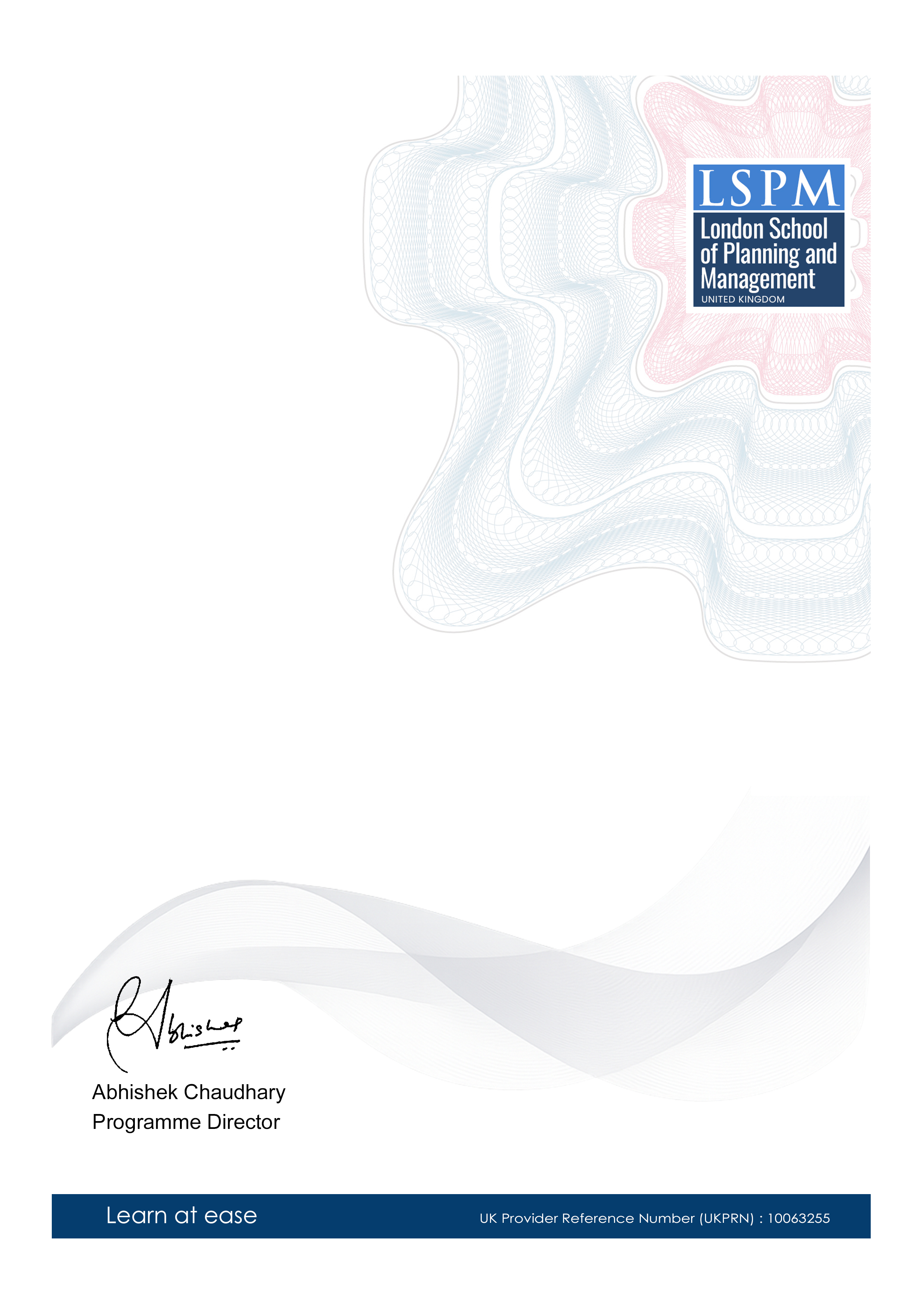
Masterclass Certificate in Intelligence Research and Analysis Techniques Mastery
-- ViewingNowThe Masterclass Certificate in Intelligence Research and Analysis Techniques Mastery is a comprehensive course designed to equip learners with essential skills for career advancement in intelligence and analysis. This program focuses on developing the ability to gather, analyze, and interpret data to make informed decisions, a highly sought-after skill in various industries.
5,611+
Students enrolled
GBP £ 149
GBP £ 215
Save 44% with our special offer
이 과정에 대해
100% 온라인
어디서든 학습
공유 가능한 인증서
LinkedIn 프로필에 추가
완료까지 2개월
주 2-3시간
언제든 시작
대기 기간 없음
과정 세부사항
• Intelligence Fundamentals: Understanding the intelligence cycle, intelligence collection disciplines, and the role of analysis in intelligence operations.
• Open-Source Intelligence (OSINT): Techniques for gathering and analyzing publicly available information for intelligence purposes.
• Human Intelligence (HUMINT): Methods for collecting information through interpersonal contact, including interviewing, elicitation, and debriefing techniques.
• Signals Intelligence (SIGINT): Understanding communication intelligence, including principles of cryptography and communication security.
• Geospatial Intelligence (GEOINT): Utilizing geospatial data and imagery for intelligence analysis, including image interpretation and geospatial data manipulation.
• Cyber Intelligence (CYBINT): Analyzing cyber threats, vulnerabilities, and intrusion attempts to protect digital assets.
• Advanced Analytic Techniques: Utilizing statistical analysis, predictive modeling, and link analysis to identify trends and patterns in data.
• Intelligence Writing and Reporting: Techniques for producing clear, concise, and well-supported intelligence reports and briefings.
• Ethics and Legal Considerations: Understanding the ethical and legal implications of intelligence research and analysis, including privacy concerns and international law.
경력 경로
입학 요건
- 주제에 대한 기본 이해
- 영어 언어 능숙도
- 컴퓨터 및 인터넷 접근
- 기본 컴퓨터 기술
- 과정 완료에 대한 헌신
사전 공식 자격이 필요하지 않습니다. 접근성을 위해 설계된 과정.
과정 상태
이 과정은 경력 개발을 위한 실용적인 지식과 기술을 제공합니다. 그것은:
- 인정받은 기관에 의해 인증되지 않음
- 권한이 있는 기관에 의해 규제되지 않음
- 공식 자격에 보완적
과정을 성공적으로 완료하면 수료 인증서를 받게 됩니다.
왜 사람들이 경력을 위해 우리를 선택하는가
리뷰 로딩 중...
자주 묻는 질문
과정 정보 받기
경력 인증서 획득